
Competitor Analysis in SEO: Revealing New Opportunities and AI Techniques
In digital marketing, competitor analysis is crucial for businesses aiming to boost their online presence. As technology progresses, traditional methods are being enhanced by AI-driven insights, marking a new chapter in SEO. Today, teams pair qualitative reviews of competitor pages with quantitative signals from search results, backlinks, and user behavior. AI techniques—such as natural language processing, clustering, and intent modeling—turn scattered observations into prioritized actions. This article discusses how to use competitor analysis to find content gaps and refine market positioning, helping cross‑functional teams connect with audiences, sharpen messaging, and outperform rivals with repeatable, data‑informed playbooks.
Understanding Competitor Analysis
Competitor analysis examines rival strategies to understand what leads to their success or failure. It considers not only keywords but also search intent, page formats, SERP features, backlink quality, and technical performance that influence visibility. By studying competitor content, businesses discover what resonates with audiences and apply those insights to enhance their own approach.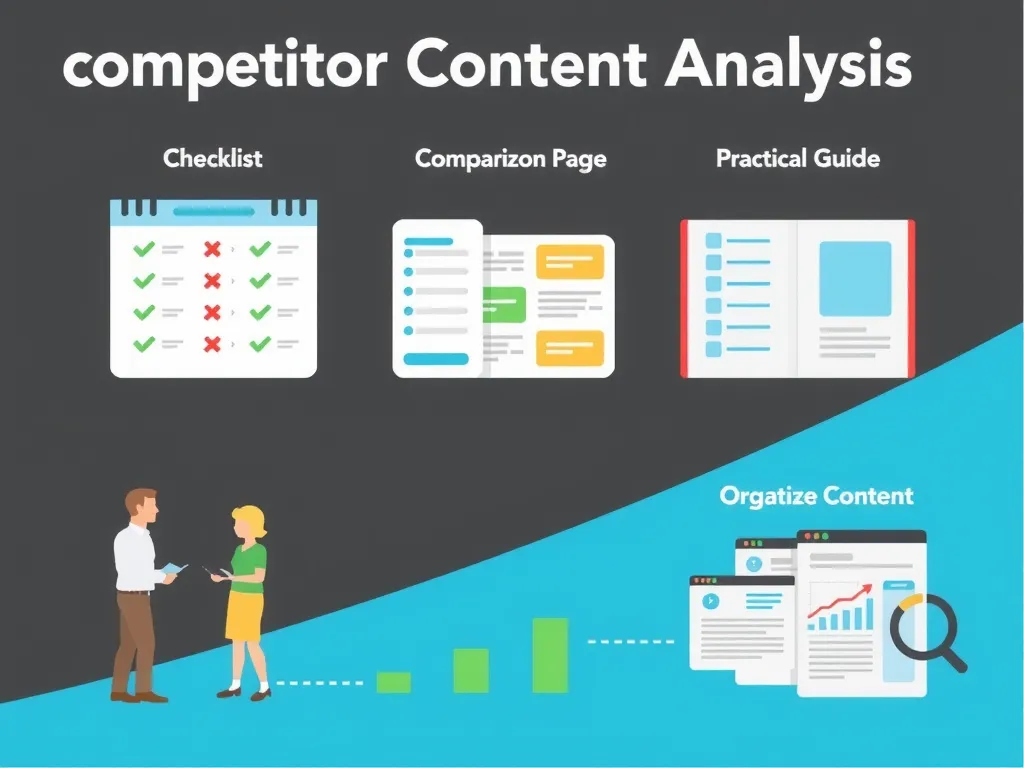 For example, competitors might win with comparison pages or practical checklists where long essays underperform. This process clarifies the market landscape, exposes patterns in buyer needs, and uncovers opportunities to strengthen content, keywords, and engagement strategies.
Identifying Content Gaps with AI
Artificial Intelligence broadens traditional analysis by automating data collection and revealing deeper insights into content performance. AI-driven tools process large data sets to pinpoint content gaps where businesses can address unmet needs. Topic modeling and entity extraction highlight subtopics competitors cover superficially or ignore entirely, while semantic analysis surfaces related questions from forums, reviews, and “People Also Ask” boxes. These capabilities speed up the discovery of long‑tail and regional queries, uncover intent nuances across customer segments, and help prioritize opportunities by difficulty and potential impact. The result is precise strategy refinement grounded in evidence.
Techniques for Market Positioning
How a business positions itself in a competitive market can determine its success. Insights from AI and competitor analysis guide effective positioning strategies. Companies can customize SEO tactics to highlight unique value propositions—such as expertise, speed, price, or local presence—and select battles they can realistically win. Supporting signals like structured data, credible author bios, original research, and helpful product visuals reinforce trust. Aligning message, UX, and search intent helps the brand stand out in results, capture SERP features, and achieve higher rankings without diluting core differentiation.
Practical Steps to Conduct Competitor Analysis
Effective competitor analysis involves several steps, enhanced by AI technologies. Treat it as a recurring workflow—weekly for monitoring, quarterly for strategy—not a one‑off audit, and ensure collaboration across SEO, content, product, and analytics.
-
Data Collection:
Use AI tools to quickly gather competitor keyword and backlink data. Expand inputs with SERP snapshots, crawl data, social listening, and review text. De‑duplicate sources, normalize naming conventions, and track changes over time so you can see momentum, not just static rankings. -
Content Review:
Examine competitor content to learn what attracts their audience and address clear gaps. Evaluate depth, freshness, structure, multimedia, internal linking, tone, and accessibility. Map each page to intent stages (learn, compare, buy) and note recurring “red threads” that consistently earn visibility or sharing. -
Performance Metrics:
Analyze metrics such as traffic and engagement to determine which strategies work best. Include click‑through rate by position, dwell time, conversion and assisted conversion rates, indexation coverage, and Core Web Vitals. Use cohort or segment views to separate branded from non‑branded performance and to spot seasonal patterns. -
Strategic Adjustment:
Refine your content strategy using the insights, staying flexible to adapt to changing trends. Translate findings into briefs, roadmaps, and hypotheses; test variations in headlines, schema, and layouts; and review outcomes on a set cadence. Keep watchlists for emerging competitors and document decisions to prevent strategic drift.
Together, these steps provide a thorough view of the competitive landscape and position your strategy to capture a meaningful share of the market. They also create a feedback loop that continuously improves prioritization, reduces wasted effort, and aligns SEO investments with business objectives and measurable outcomes.
Case Study Insights
Consider a tech startup entering a crowded market seeking to make an impact. Using AI-enabled competitor analysis tools, it discovered demand for concise, beginner-friendly guides—a gap not addressed by existing players. The team built a hub‑and‑spoke content cluster featuring short explainers, checklists, and a glossary, supported by simple videos and annotated screenshots. They added clear authorship, schema markup, and comparison pages that explained trade‑offs without overpromising. Within six months, organic sessions grew by more than 150%, several priority terms reached first‑page positions,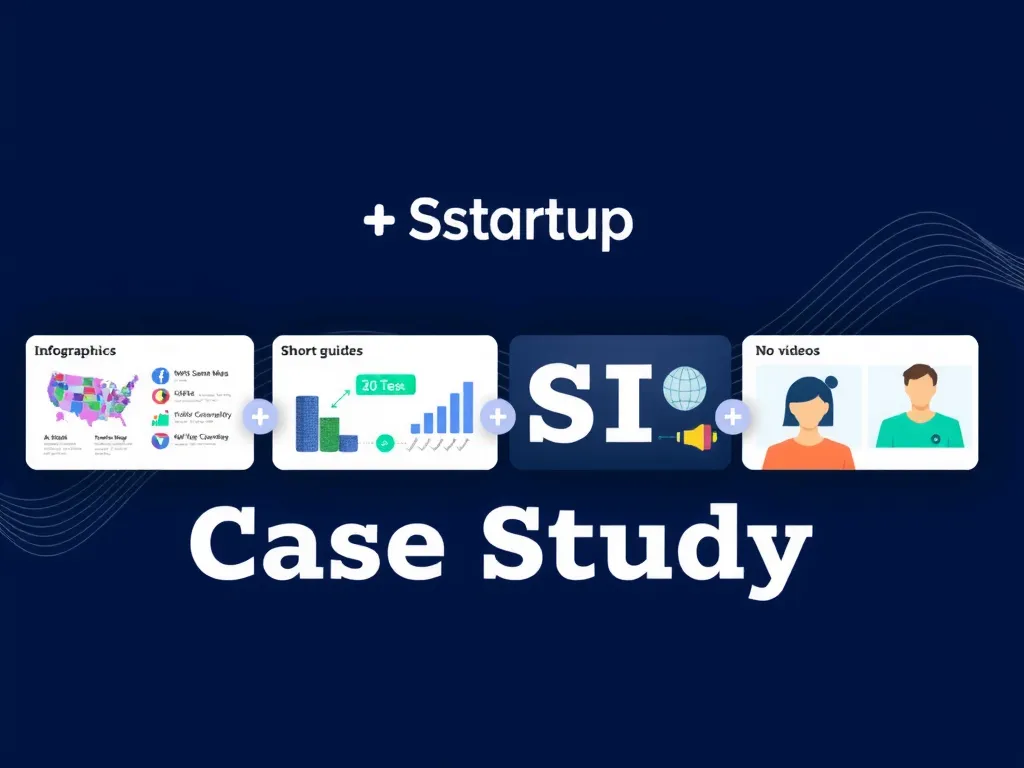 and newsletter sign‑ups tripled. Consistent updates and user feedback sustained the momentum.
Conclusion
As SEO practices evolve, combining competitor analysis with AI insights is essential. By understanding market dynamics and addressing content gaps, businesses strengthen their SEO strategies and support ongoing growth in a highly competitive digital landscape. Pair automation with human judgment, validate findings with real users, and maintain ethical standards around data and transparency. Embracing these approaches helps companies capture audience attention, improve performance in search engine rankings, and build a durable advantage that compounds over time.