
Discovering AI SEO Tools for E-commerce: A Complete Guide
In today’s rapidly evolving digital world, eCommerce businesses must adapt swiftly to stay ahead. Artificial Intelligence (AI) is transforming this field, particularly in Search Engine Optimization (SEO). Using AI SEO tools can boost a store’s online presence and enhance conversion rates. This guide covers the main AI technologies revolutionizing eCommerce SEO and how businesses can use them effectively. We’ll show how AI streamlines research, elevates content, and pinpoints technical fixes that matter most. Whether you run a Shopify store or a marketplace catalog, these ideas turn into workflows.
Grasping AI’s Role in E-commerce SEO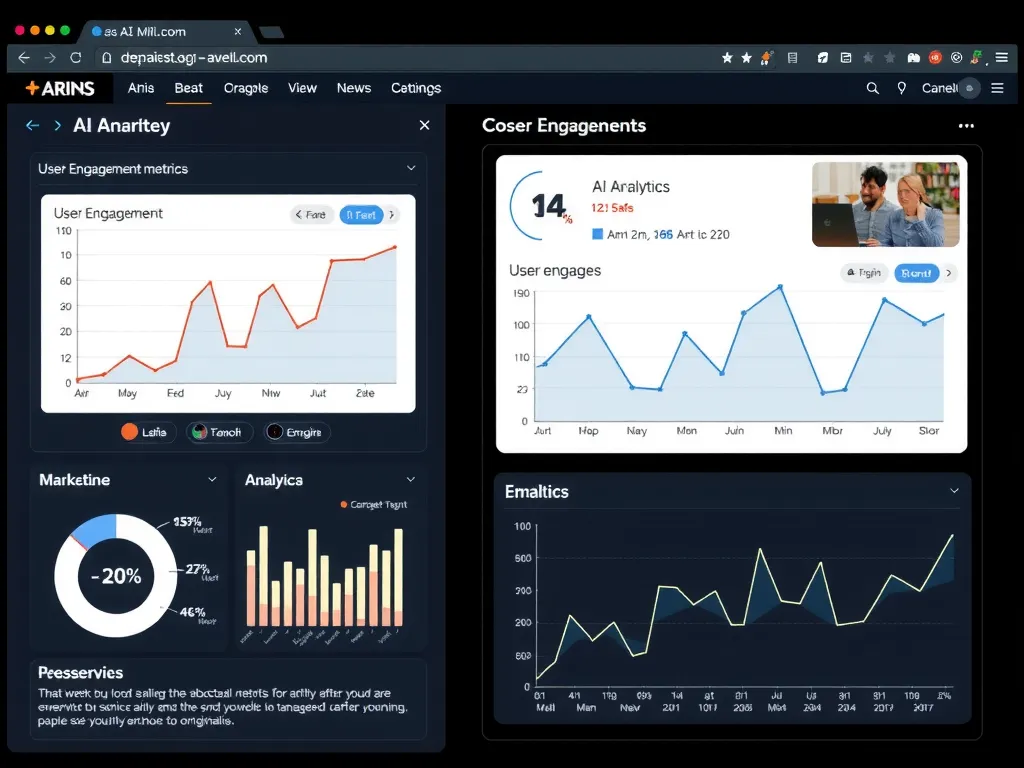
AI is revolutionizing how eCommerce teams handle SEO. By automating and refining tasks that once required considerable time, AI allows marketers to concentrate on strategy. Machine learning algorithms study consumer behavior and search trends, offering insights that support solid SEO plans. With AI-driven data, eCommerce platforms can customize content and improve their presence on search engines, increasing organic traffic and income. Search is increasingly semantic: models map entities to match queries with products or articles. AI supports intent classification, internal linking, and log‑file analysis to surface crawl waste. It also prioritizes impact—Core Web Vitals, structured data, and duplicate content—so teams ship changes that lift rankings and revenue.
Essential AI SEO Tools for Boosting E-commerce
Several sophisticated AI SEO tools are designed for the eCommerce setting, aimed at increasing visibility and simplifying management. They cover research, on‑page optimization, and monitoring, letting teams assemble a stack that fits budget and maturity:
-
MarketMuse:
Aids in creating data-backed content strategies by spotting content gaps and opportunities, allowing eCommerce brands to fortify their niches. Beyond gap analysis, it uses topic modeling to suggest headings and can generate content briefs. For large catalogs, it standardizes internal links to speed cluster build‑out. -
RankIQ:
Built for bloggers and content creators, RankIQ enhances blog content for SEO, which is crucial for eCommerce platforms with a content marketing emphasis. It surfaces long‑tail phrases, then helps craft outlines and descriptions aligned to intent. It’s ideal for seasonal content and gift guides supporting product discovery. -
Ahrefs:
Though not purely AI, Ahrefs employs powerful algorithms to monitor site performance and backlinks, which is key in adjusting and improving SEO approaches. Its Site Audit flags technical issues, while Content Gap reveals topics competitors rank for. Difficulty and traffic metrics guide prioritization, and cannibalization prevents similar pages competing.
Advantages of AI SEO Tools in E-Commerce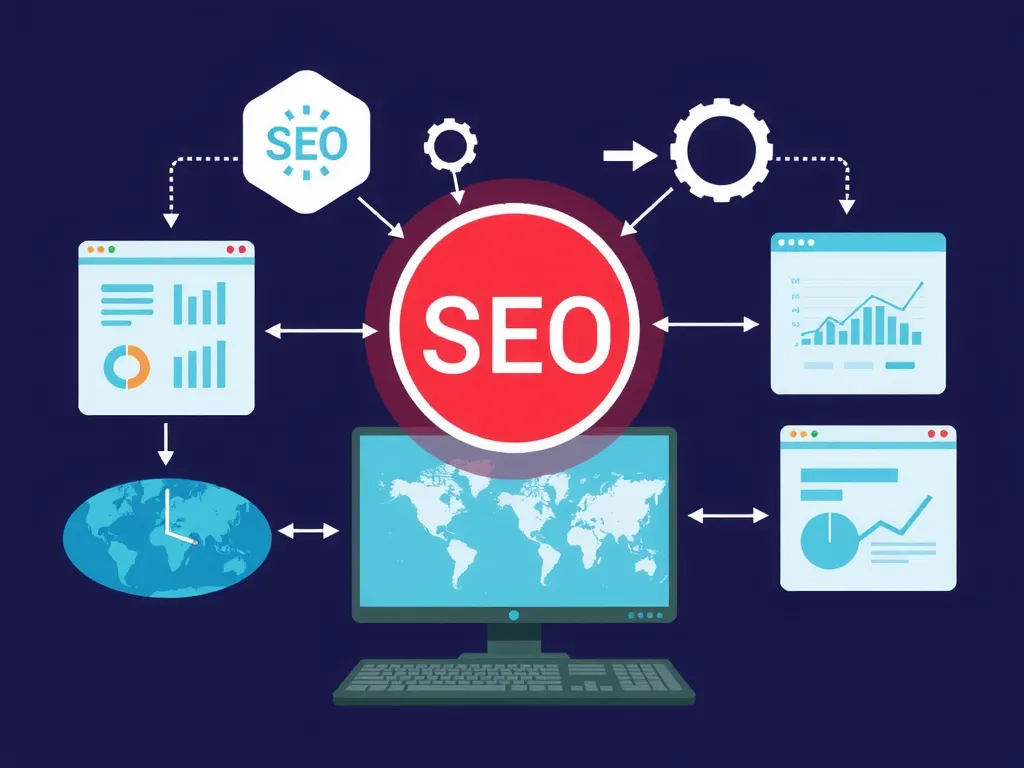
Using AI SEO tools in eCommerce offers numerous advantages. They enhance precision and efficiency in keyword research and competitor analysis, as shown by
surferseo.com
. Increased automation saves time, enabling businesses to allocate resources more strategically. Moreover, AI tools offer predictive analytics for future trends, which is vital for adapting marketing strategies and staying competitive. AI personalizes search results and navigation at scale, improving taxonomy and filters. Automation generates alt text, writes structured data, and keeps titles consistent across many URLs, accelerating tests while preserving brand guardrails.
Real-World Examples of AI SEO Tools in Use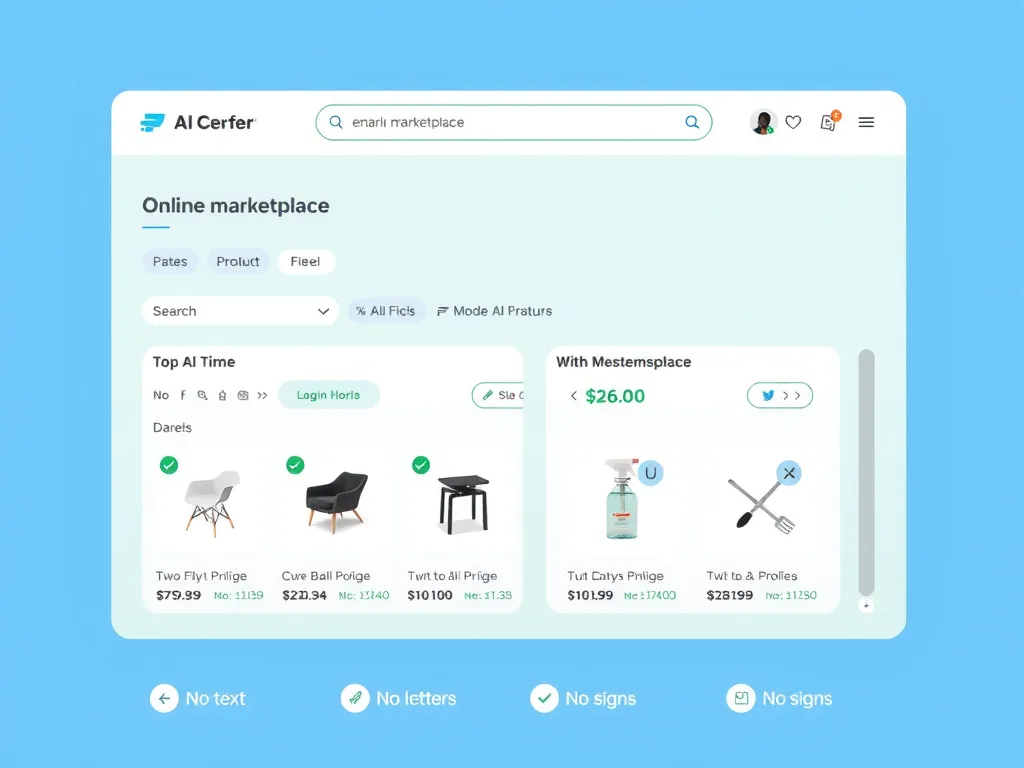
Consider how a platform like Etsy uses AI for SEO. By employing AI tools to assess shopper behavior and refine its search algorithms, Etsy boosts product visibility for countless sellers. Similarly, smaller brands can use AI insights to improve PPC campaigns, customize user experiences, and enhance product suggestions. These applications demonstrate AI’s practical impact and its ability to provide tangible benefits. For example, a mid‑size apparel retailer surfaces low‑volume, high‑intent phrases from query logs, then enriches product descriptions with copy and entities. Structured data and internal links bolster collection pages, while anomaly detection flags indexing drops. A/B tests refine titles.
Conclusion: Adopting AI for Continued E-Commerce Achievement
Incorporating AI SEO tools into eCommerce is more than a trend; it is essential for ongoing success and expansion. As these technologies progress, early adopters will be better equipped to seize market opportunities and foster growth. By utilizing tools like MarketMuse and RankIQ, eCommerce platforms can bolster their SEO strategies and maintain lasting visibility in an increasingly crowded market. Start with a pilot, define KPIs like impressions, CTR, and revenue per session, and keep humans in the loop. Protect data privacy and revisit roadmap quarterly.
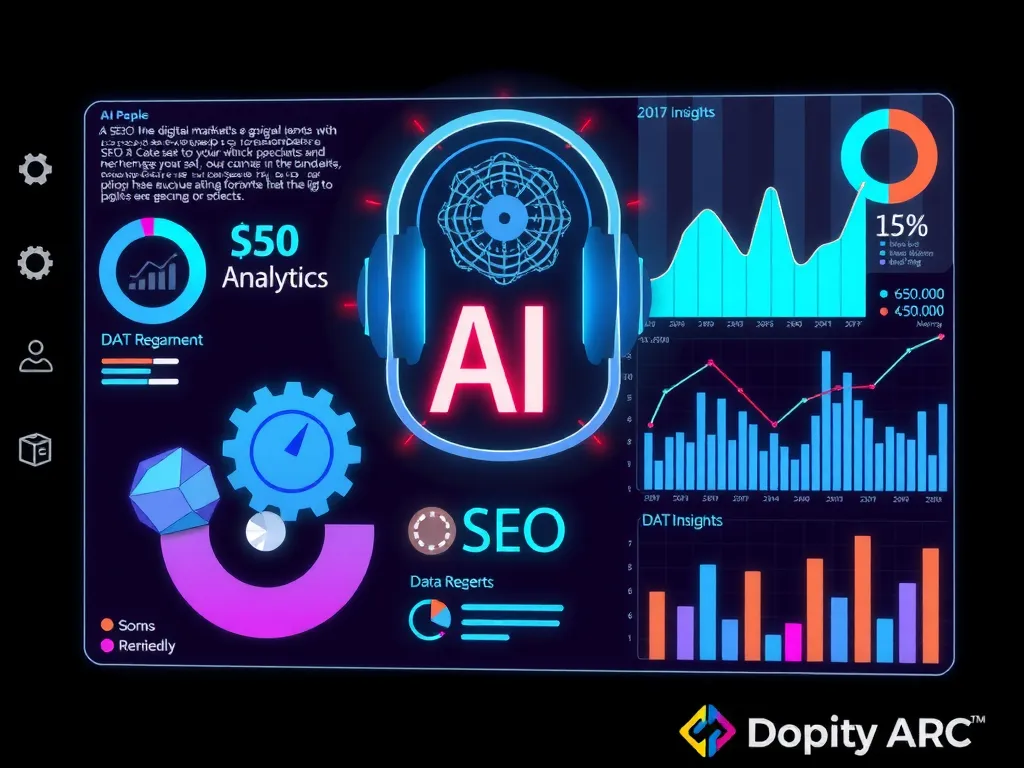
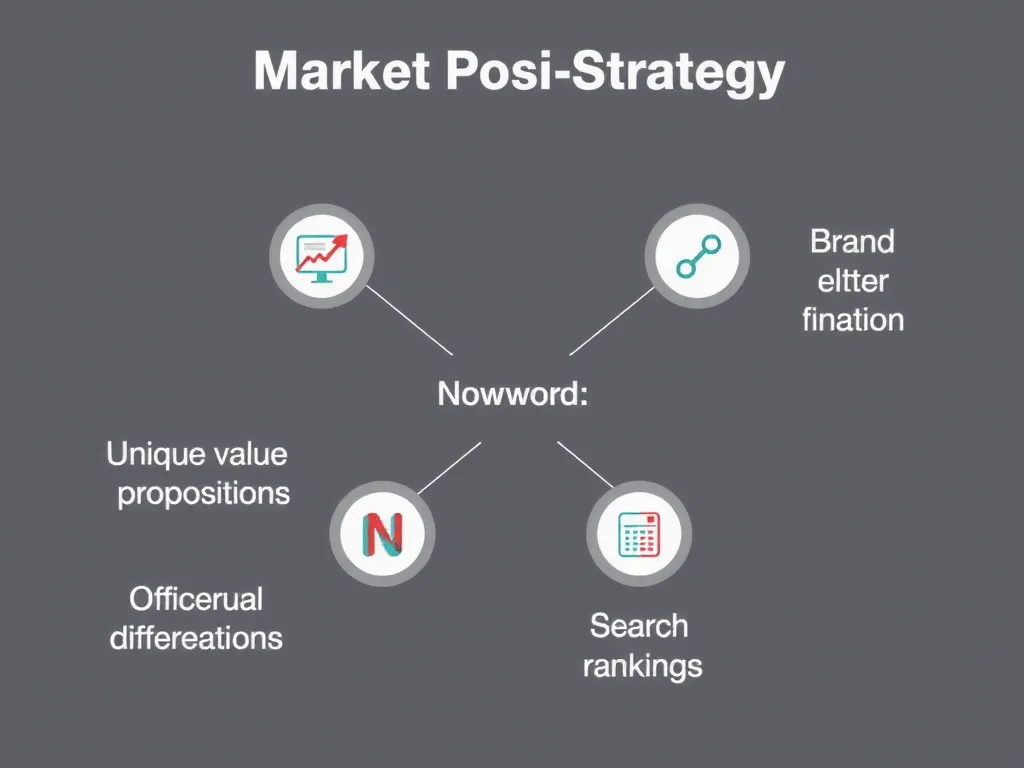
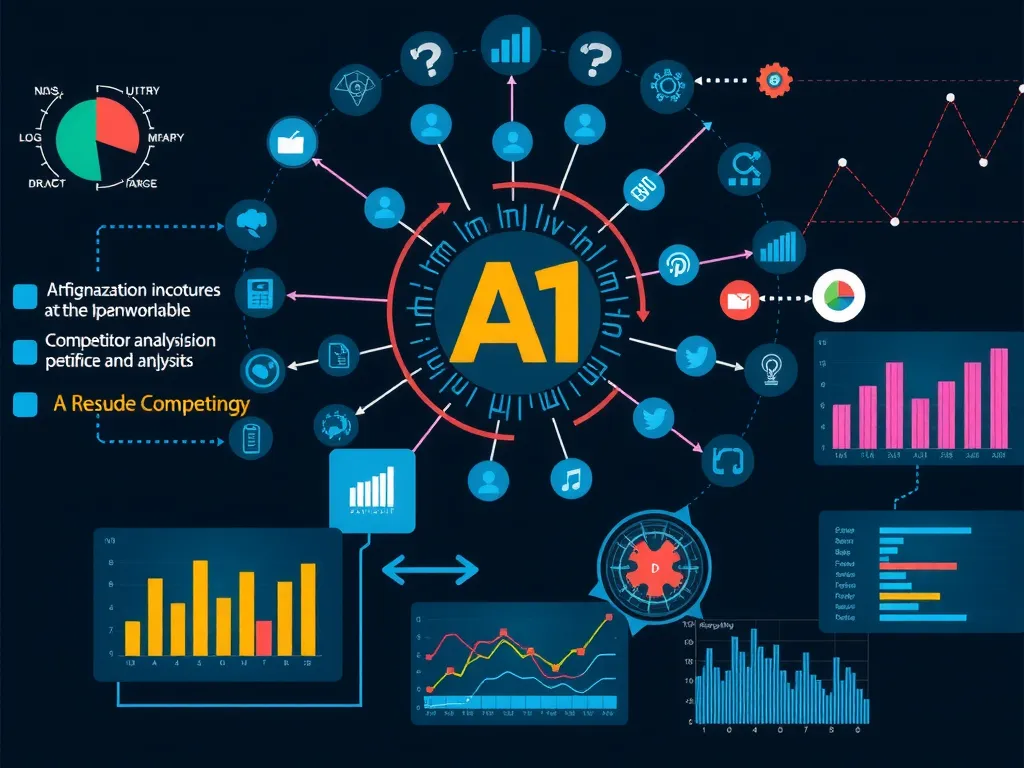 Today, teams pair qualitative reviews of competitor pages with quantitative signals from search results, backlinks, and user behavior. AI techniques—such as natural language processing, clustering, and intent modeling—turn scattered observations into prioritized actions. This article discusses how to use competitor analysis to find content gaps and refine market positioning, helping cross‑functional teams connect with audiences, sharpen messaging, and outperform rivals with repeatable, data‑informed playbooks.
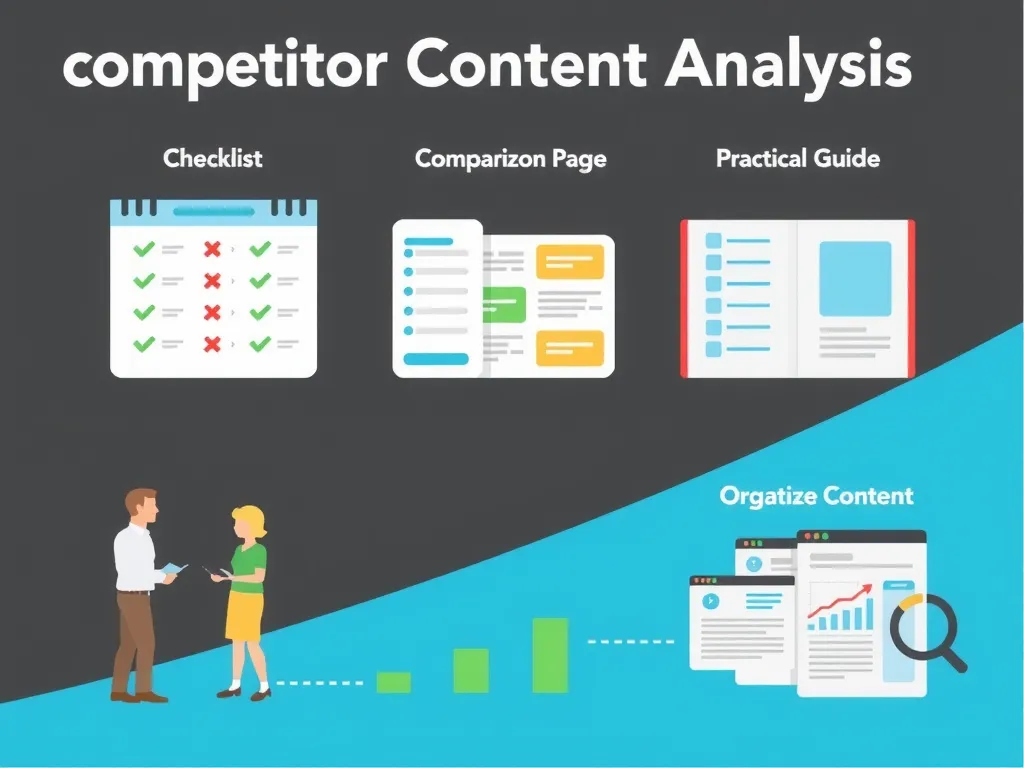 For example, competitors might win with comparison pages or practical checklists where long essays underperform. This process clarifies the market landscape, exposes patterns in buyer needs, and uncovers opportunities to strengthen content, keywords, and engagement strategies.
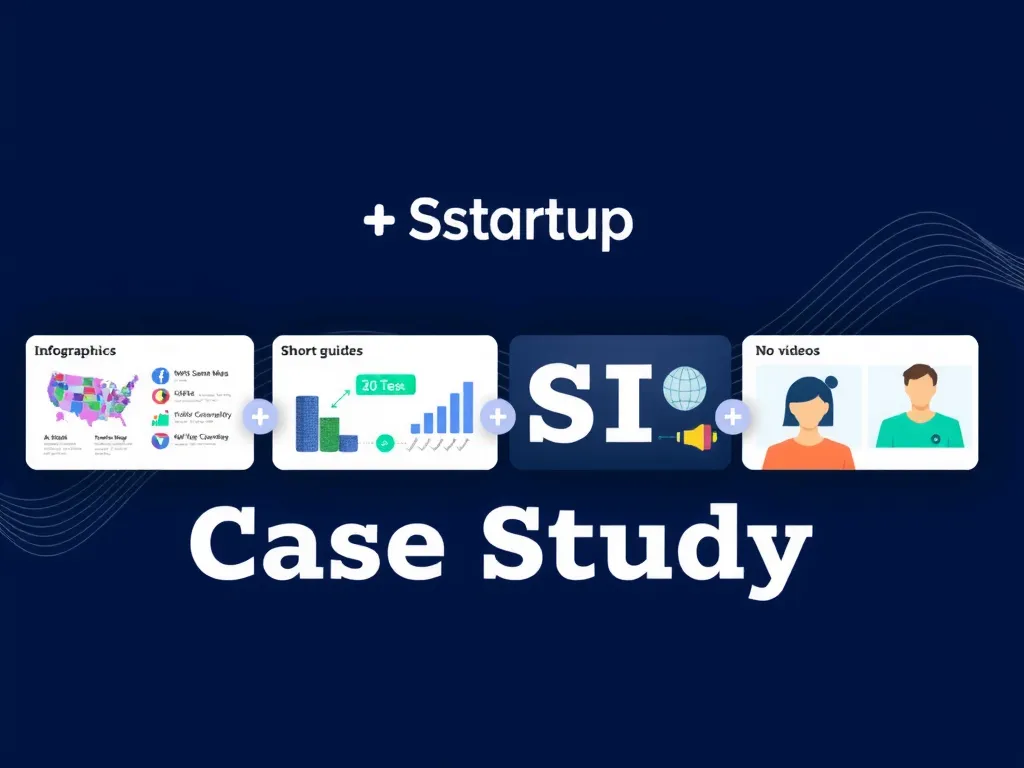 and newsletter sign‑ups tripled. Consistent updates and user feedback sustained the momentum.